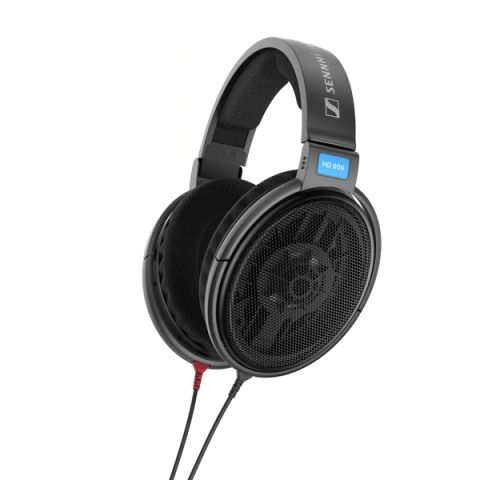
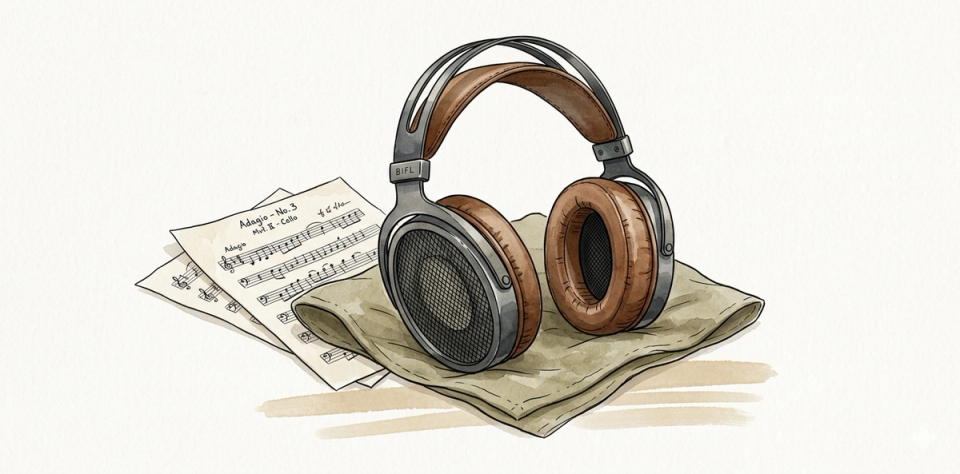
In 1997, Sennheiser released a headphone aimed at audiophiles at home. A niche market at the time. That headphone has barely changed since. You can still buy it today, new in box, for the same reason you would have bought it then: it sounds honest, it lasts, and you can repair it yourself.
Why a headphone can be a buy-it-for-life purchase
Consumer headphones are typically designed to be replaced after 3 years. Cable breaks near the jack, Bluetooth chip drops support, plastic hinges give out. The HD 600 is built on a different premise.
It is wired, open-back, and has no battery, no firmware, no expiry date. There is no technology inside that ages. You can hand it to someone else in ten years and it still works.
Repairability: every part is available
Sennheiser sells every individual spare part through spares.sennheiser-hearing.com. Cable set, ear pads, headband padding, grille. A 1999 HD 600 can be fully overhauled today with original Sennheiser parts. That is not common for consumer electronics.
On r/BuyItForLife, broken HD 600s get posted regularly with repair questions. The answer is almost always: buy a replacement cable for 20-30 euros. Nobody buys a new headphone.
Sound quality: honest and neutral
The HD 600 has a neutral, open sound. No added bass to make music feel fun, no boosted treble to fake detail. Music sounds the way it was recorded. That is why it stayed a reference headphone for 25 years among audio engineers and serious home listeners.
The HD 600 has a slight restraint in the upper midrange. Audiophiles call this the 'Sennheiser veil'. Some listeners experience it as warmth, others as slightly muted. Whether that is a plus or minus depends on your taste.
Durability: built without weak points
The frame is sturdy plastic with metal reinforcement at the stress points. The most wear-prone parts, ear pads and cable, are replaceable in under a minute without tools. The drivers themselves last decades under normal use.
What else do you need?
The HD 600 has a high impedance of 300 ohms. In practice, that means it needs more power than a phone or laptop headphone output can deliver. On those devices it sounds thin and quiet. You need a small headphone amplifier, called a DAC/amp. Something like a Schiit Magni or JDS Atom costs 60-150 euros and is a one-time purchase.
Alternatives
Sennheiser HD 650: near-identical build and repairability, slightly warmer tuning with more bass presence. Beyerdynamic DT 990 Pro: open-back and repairable, but with boosted bass and treble that makes it sound exciting rather than accurate. AKG K702: open and neutral too, but a weaker spare parts ecosystem.
The verdict
The HD 600 costs more than most headphones. That higher price buys you a device that can last 20 years, that you can maintain yourself, and that you will not have to distrust after a decade. That is a different calculation than a cheaper choice you throw out after three years.
28 years after its introduction, the HD 600 is still in the Sennheiser catalog. That is the longest possible argument for the purchase.