Why cast iron is different
Most cookware degrades. Non-stick surfaces scratch and flake, aluminium pans warp, and stainless steel develops hot spots over time. Cast iron does the opposite: the more you cook with it, the better it performs. That is because the seasoning - layers of polymerized oil - builds up with each use, creating a surface that is increasingly non-stick and increasingly yours.
Lodge: made in Tennessee since 1896
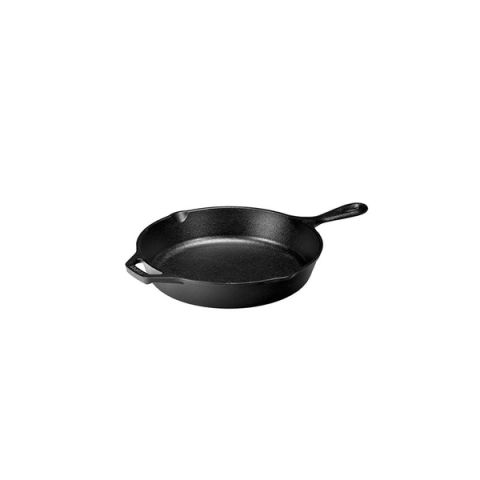
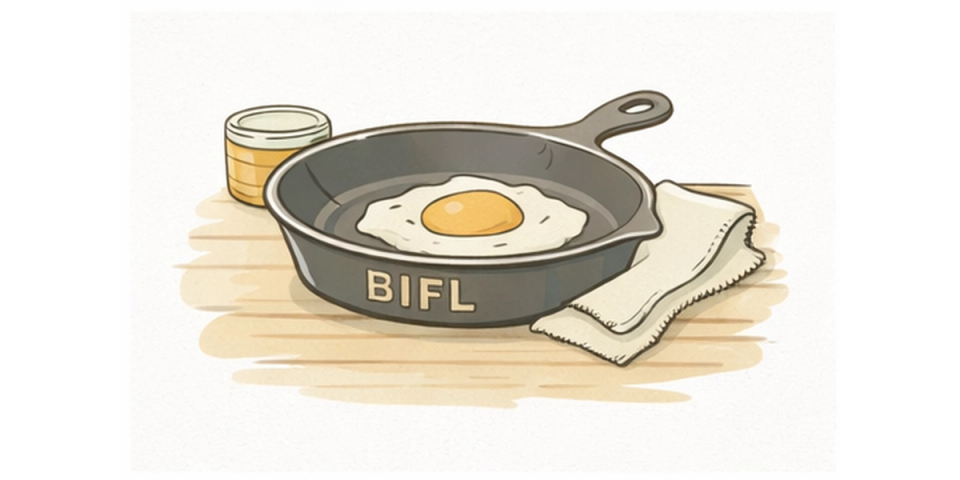
Lodge is one of the last remaining cookware foundries in the United States. The factory in South Pittsburg, Tennessee has been running continuously since 1896. Their skillets come pre-seasoned with vegetable oil, which means you can cook with one on day one. The pre-season is a start, not a finish - after six months of regular use, the surface will be noticeably smoother and more non-stick than when you bought it.
Maintenance is simpler than people think
The main rules are: dry it completely after washing (a minute on the hob does it), and rub a thin layer of oil in while it is still warm. You do not need special soap-free cleaner - a drop of regular dish soap is fine as long as you dry it immediately. If you neglect it and it rusts, that is not the end: sand off the rust, re-season in the oven at 200°C for an hour, and it is back to new. A Lodge skillet that is 50 years old is not a museum piece, it is just a well-used pan.
Works everywhere
Induction, gas, ceramic, electric, oven up to 260°C, and campfire. It weighs around 2.5 kg for a 26cm pan, which puts some people off, but that mass is exactly why it holds heat so well. Sear a steak, slide the pan into the oven to finish - no extra dishes. Under €50 new, and the last skillet you will ever need to buy.