Why enamelled cast iron costs what it costs
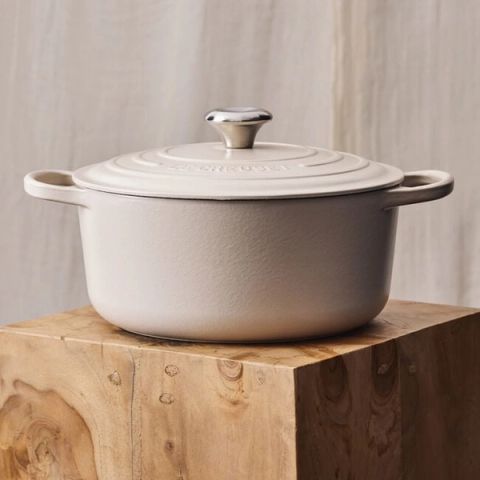
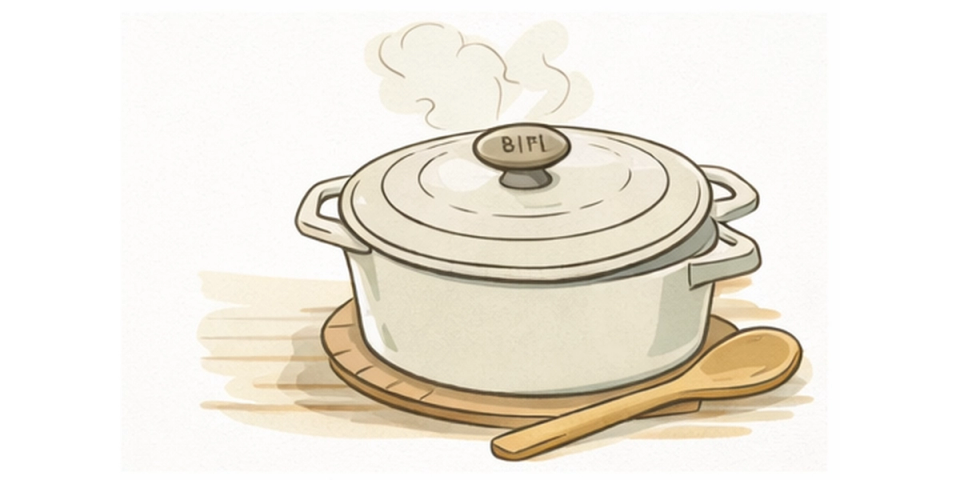
A 28cm Le Creuset cocotte costs around €350. A Staub of the same size is similar. That is a lot for a pot - unless you consider that it will still be in your kitchen in 40 years, can go from hob to oven to table, requires no special maintenance, and will not react with acidic foods the way bare cast iron does. The enamel coating also means no seasoning required. These are not luxuries, they are tools that happen to be priced fairly for what they are.
How Le Creuset and Staub actually differ
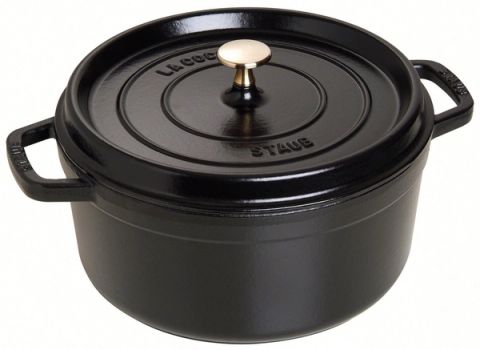
Le Creuset lids are domed with a loop handle, and the interior is cream-coloured. This makes it easy to see fond development and check on the colour of what you are cooking. The lid sits with small bumps on the inside that drip condensation back onto the food. Staub lids are heavier and have small spikes (picots) on the inside - these create a more aggressive basting loop, which many chefs prefer for braises. The Staub interior is matte black, which is better at hiding staining over years of use.
Which is better for braising
Staub has a slight edge for braising specifically, because the heavier lid and condensation spikes keep more moisture in contact with the meat. Le Creuset is arguably more versatile as an everyday pot - lighter to lift, easier to see inside, available in more colours. The Le Creuset is also slightly lighter, which matters when you are moving a full pot of stew. Both perform at a level that will never be the limiting factor in your cooking.
The honest answer on which to buy
If you are buying one Dutch oven to own forever, buy whichever colour Le Creuset you like, or buy the Staub Grenadine or Basil if you prefer a darker aesthetic. Both are heirloom quality. Both come with a lifetime guarantee. Both can be found second-hand in excellent condition because the previous owner almost never wore one out - they just moved or downsized. A second-hand Le Creuset at half price is still a better pot than almost anything sold new at the same price point.