18/8 stainless steel: what it means
18/8 refers to the composition of the steel: 18% chromium, 8% nickel. This grade of stainless steel is food-safe, corrosion-resistant, and does not impart any taste to water even after years of use. Plastic bottles, even BPA-free ones, can develop a taste over time, especially if left in a hot car. Stainless steel does not. It also does not leach anything under normal conditions. Klean Kanteen uses 18/8 throughout - body, cap, and internal surfaces.
Classic vs TKWide: which to choose
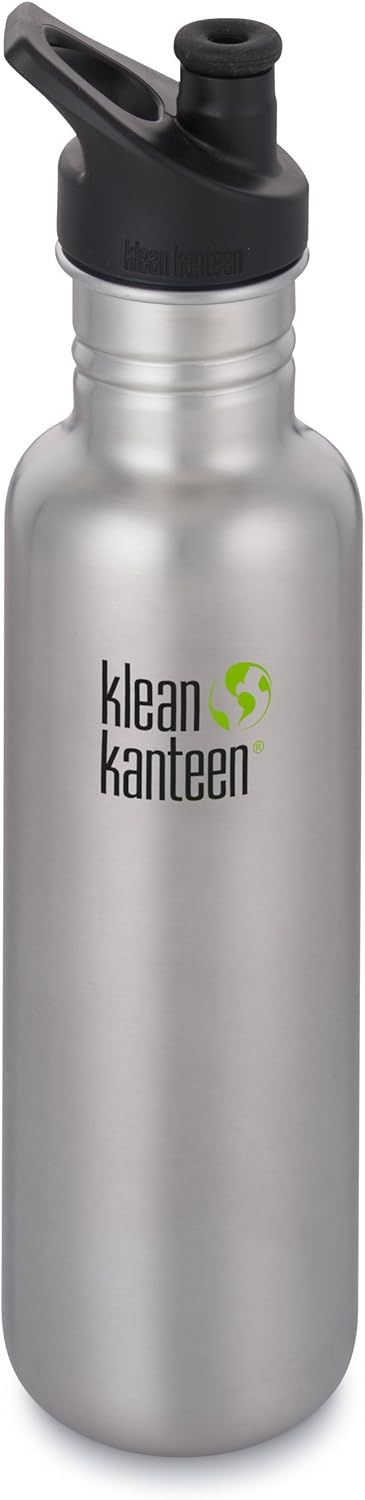
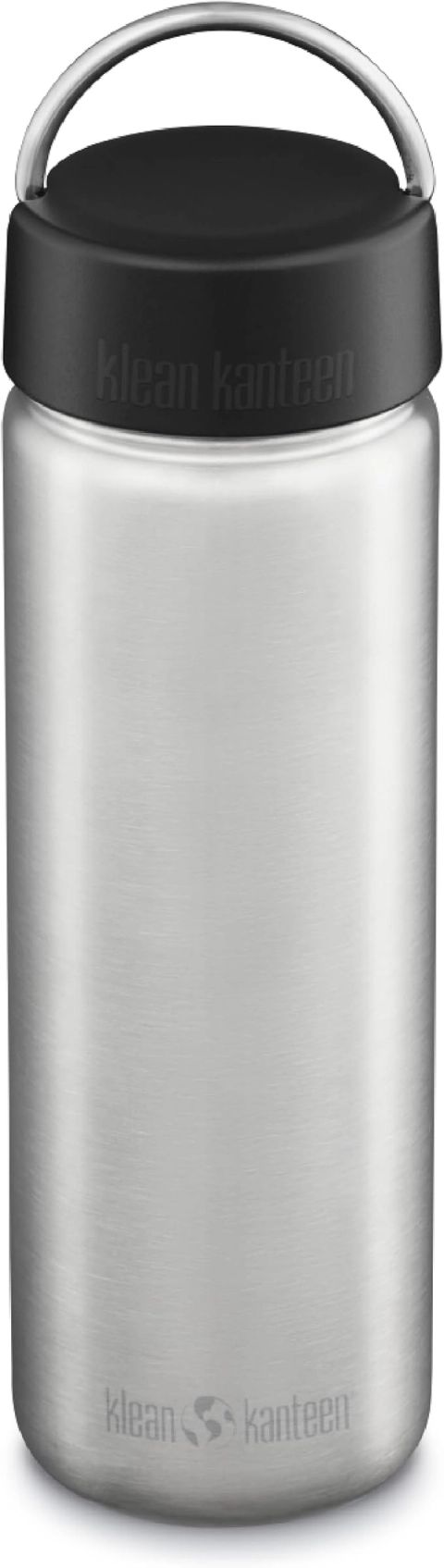
The Classic is not insulated. It is lighter, cheaper (around €25-30), and simpler. Water stays at whatever temperature you put in it. This is fine for most everyday use - filling from a tap or water fountain, carrying for a few hours. The TKWide is double-wall vacuum insulated: cold drinks stay cold for 24 hours, hot drinks for 12. It costs around €40-50 and is heavier. If you mainly drink water at room temperature or cold water during the day, the Classic is the sensible choice. If you want hot coffee or ice-cold water after a long hike, the TKWide is worth the extra weight and cost.
Repair vs replace
Klean Kanteen bottles are repairable in the sense that all parts are interchangeable - caps, loops, gaskets are sold separately. If the cap cracks or the loop breaks, you replace the cap, not the bottle. The bottle itself is essentially indestructible under normal use. People have used the same Klean Kanteen Classic for 8-10 years. At that point, even a €40 bottle has cost €4 per year of use, and the single-use plastic it replaced would have cost far more both financially and environmentally.
One practical note
Klean Kanteen switched to a chip-resistant Klean Coat powder coat on the exterior of some models, which holds up much better than earlier versions. If you are buying older stock or second-hand, the paint is more likely to chip. Current production models are more durable on the outside. The wide mouth is easier to fill (fits ice cubes, fits under most taps) and clean (fits a bottle brush), but slightly harder to drink from while walking without a sport cap.