The problem with reusable plastic
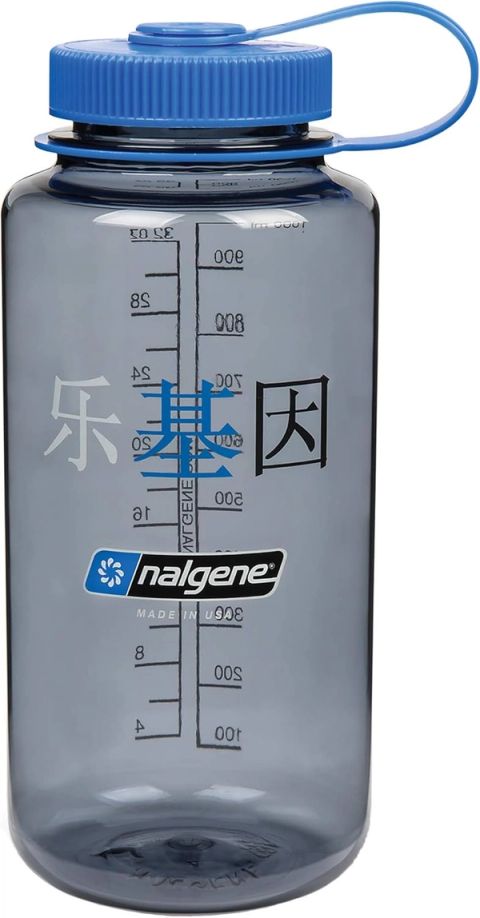
A Nalgene lasts longer than a disposable bottle. But after three years of daily use, it smells. The inside surface has absorbed years of coffee and protein shakes. You can clean it, but you cannot un-scratch it, and scratches harbour bacteria in ways smooth steel does not. At some point, the bottle goes in the bin. You buy another.
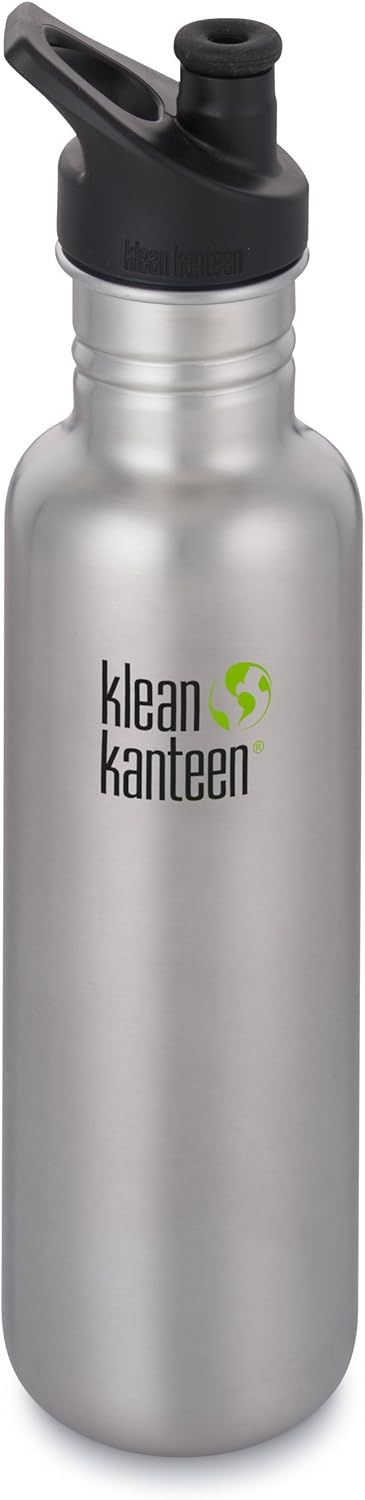
A stainless steel bottle does not do this. Steel does not absorb smells. It does not scratch in any meaningful way. A Klean Kanteen from 2004 and a Klean Kanteen from today are functionally identical, and the old one still works fine.
What 18/8 actually means
18/8 is the alloy: 18% chromium, 8% nickel. Also called 304 stainless. It is the same grade used in commercial kitchen equipment because it does not corrode and does not react with acidic drinks. Some cheaper bottles use 18/0, which skips the nickel and is more prone to rust at scratches and seams.
Klean Kanteen and Hydro Flask both use 18/8 throughout. Any bottle that does not specify the grade probably is not 18/8.
Single-wall or double-wall
Single-wall bottles are lighter, cheaper, and condensate on the outside with cold drinks. They keep drinks at roughly the temperature you fill them at. That is enough for most people.
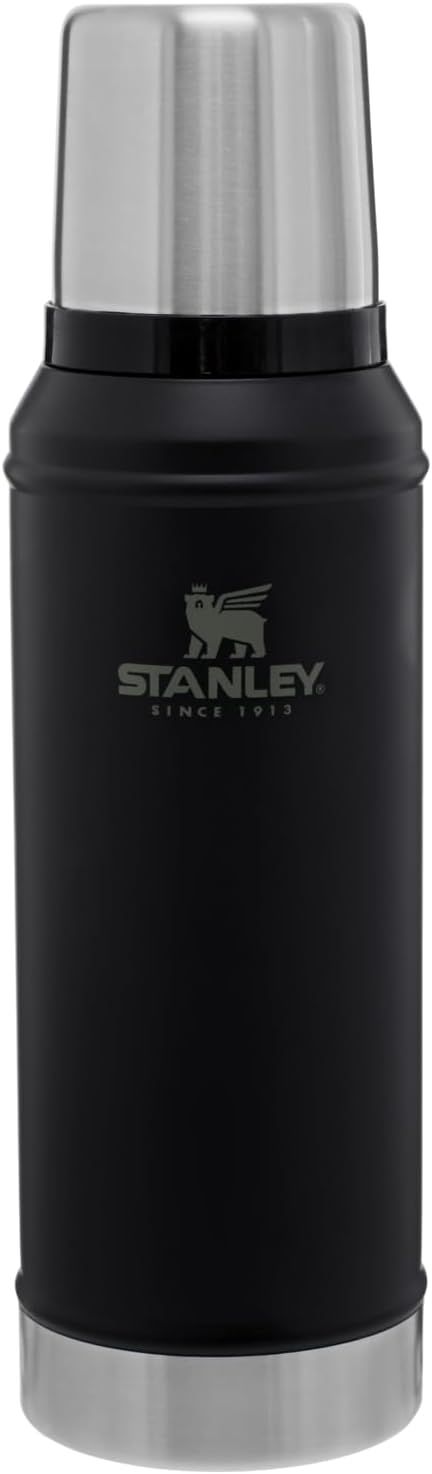
Double-wall vacuum insulation adds about 100g and keeps cold drinks cold for 24 hours. It also eliminates condensation entirely. Hydro Flask built their business on this. The vacuum layer is a potential failure point over decades, but in practice almost nobody experiences it failing under normal use.
Buy single-wall if you mostly drink water at room temperature or use it at a desk. Buy double-wall if you want cold water on a warm day or hot coffee that is still hot an hour later.
The lid is where they fail
Stainless steel lasts indefinitely. The lid does not. Plastic cracks. Rubber gaskets collect mould if you do not clean under them. Silicone degrades in the dishwasher over years.
The simplest lid is a loop cap with a single rubber gasket. One part that wears. Replacement gaskets from Klean Kanteen cost €2.50 and take ten seconds to swap. That is the whole maintenance programme.
Sport lids, straw lids, locking push-button caps: more convenient, more parts, more failure points, harder to clean. If you want a sport lid for a specific use, buy it. But the bottle underneath should be the simple screw-cap version so you can swap lids as they wear out.
Our picks
Klean Kanteen Classic 27oz: the keeper
Made in the USA since 2004. 18/8 steel, loop cap, nothing complicated. The gasket is the only wearable part and costs €2.50 to replace. Klean Kanteen sells spare lids, gaskets, and caps for every bottle they have ever made. The 27oz size works as a daily bottle without being too large to hold comfortably. Around €35.
Hydro Flask Standard Mouth 21oz: if you need cold drinks to stay cold
TempShield double-wall insulation. Cold for 24 hours, hot for 12. The powder coat adds grip but chips at the base over years of hard use. Around €42. Worth it if you hike, cycle, or want cold water in a warm car. Unnecessary if you sit at a desk.
Keeping it
Hand wash the bottle. The dishwasher is fine occasionally, but the high heat degrades gaskets faster. After anything other than water, rinse it the same day. Coffee and juice leave residue that stains if it dries in.
Pull the gasket out of the lid groove once a month and wash it separately. Mould grows under gaskets that are never moved. Replace it when it discolours. A new one costs less than a coffee.