How the seal works
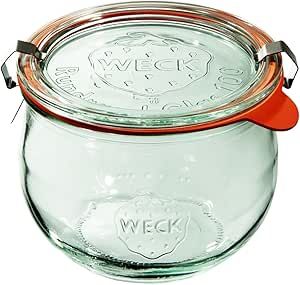
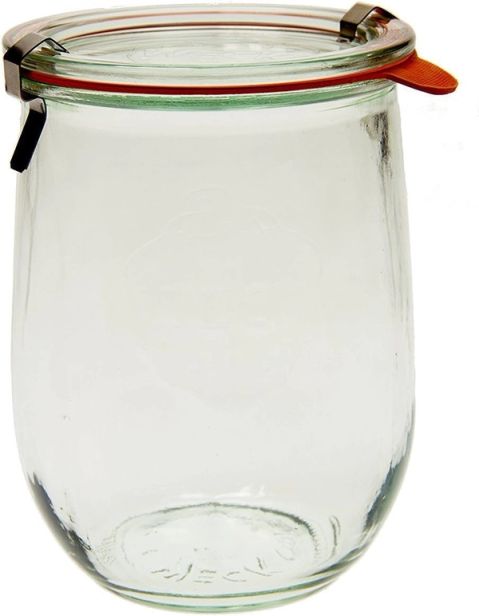
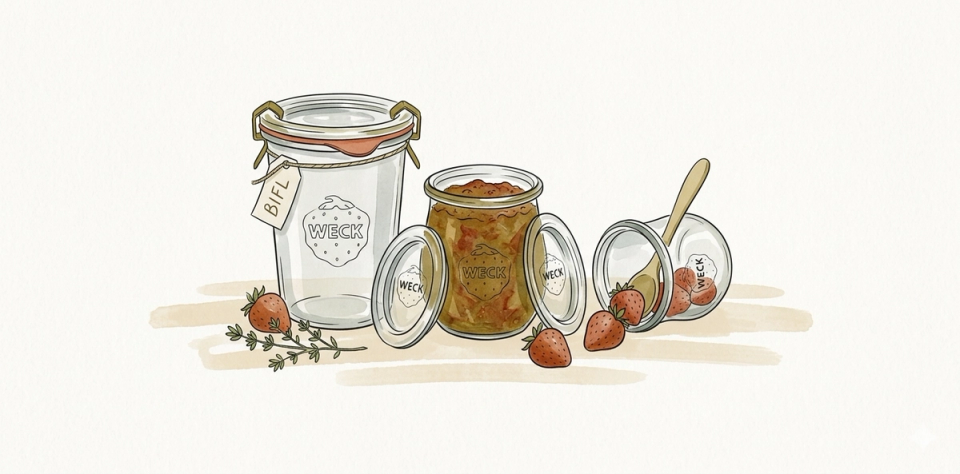
The Weck system is simpler than standard canning lids. A rubber ring sits between the glass lid and the glass jar. Two metal clips hold the lid in place during processing. When you heat the jar in a water bath, air expands and escapes around the rubber ring. As it cools, a vacuum forms and holds the lid tight. To test the seal, remove the clips and lift the jar by the lid only - if the lid holds, the seal is good. If it pops off, the jar needs to be reprocessed or refrigerated and used soon.
No metal to rust or corrode
Standard canning lids are metal, coated in a thin lacquer that eventually chips or corrodes when exposed to acidic foods like tomatoes or vinegar pickles. Over time, rust can form at the rim, and the lacquer that contacts food is not a long-term ideal. Weck lids are glass. The rubber rings are the only organic part, and they are cheap to replace - a pack of 10 costs around €3. The clips are stainless steel. None of it corrodes.
Beautiful enough to serve from
Weck jars are functional and also attractive in a way that standard canning jars rarely are. The Tulip jar and Wide-mouth jar in particular look good on a table - you can store, preserve, and serve jam, yoghurt, or pickles directly from the jar without transferring to a separate serving dish. This is a minor point but it reflects the quality of the design: something that is both useful and good-looking tends to get used more.
Replacement parts are available indefinitely
Weck has been making jars in Öflingen, Germany since 1900. The rubber rings and clips for jars made today fit jars made 50 years ago, because the design has not changed. You can buy a box of rubber rings for €3 and a pack of 20 clips for €5. This is what genuine longevity looks like: a system where the consumable parts are cheap, widely available, and backward-compatible.