Why merino is different from regular wool
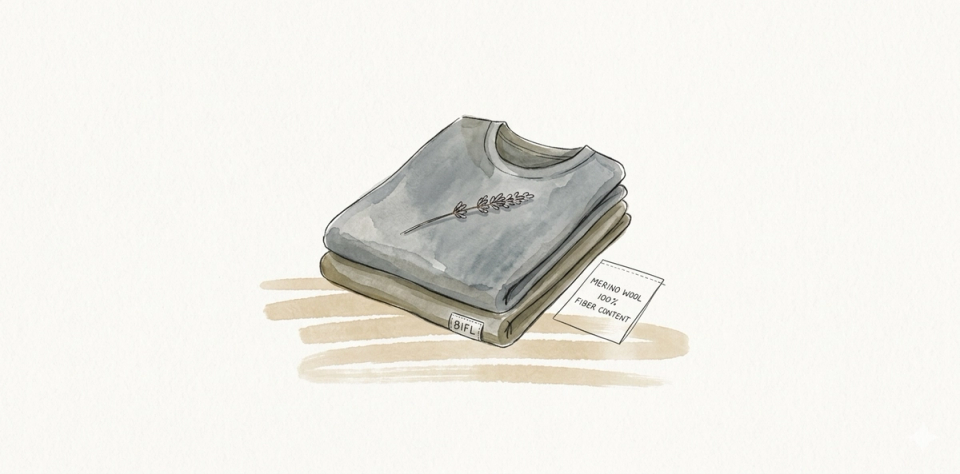
Regular wool itches because the fibres are coarse. Merino fibres are much finer - typically 17-19 microns in diameter - fine enough that they bend rather than prickle against skin. Most people who think they are allergic to wool are actually reacting to the coarse fibres; merino is worn directly against skin by people who could never wear a traditional wool jumper. The softness is not a marketing claim - it is a physical property of the fibre that you notice immediately.
The odour resistance explanation
Merino wool has a natural antimicrobial property related to the lanolin content and the fibre structure. Bacteria - which cause the smell in synthetic fabrics - do not proliferate on merino as quickly. In practice, this means you can wear a merino shirt for two or three days of normal activity without it smelling offensive. For travel, this is significant: you pack half as many shirts, wash less frequently, and the shirts dry overnight when you do wash them. Less washing also extends the life of the garment.
Tech Lite II vs Oasis 200
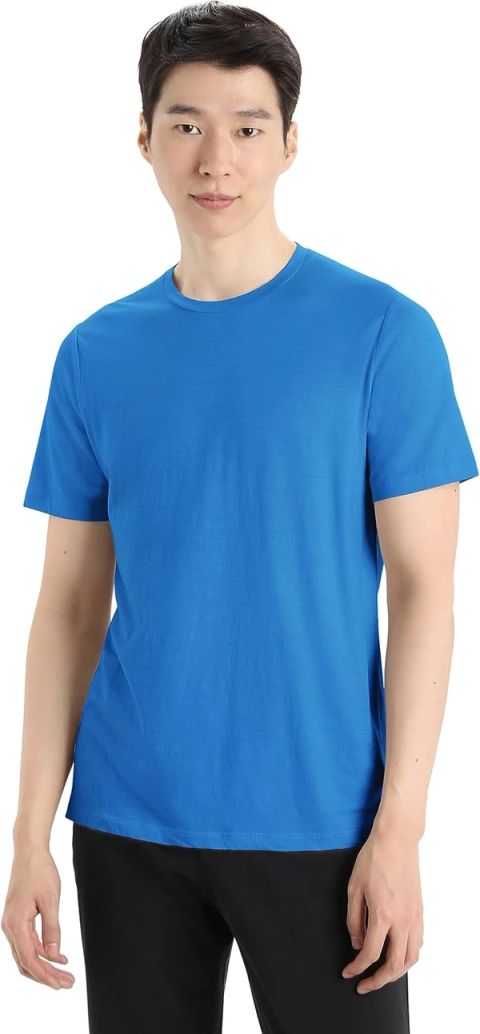
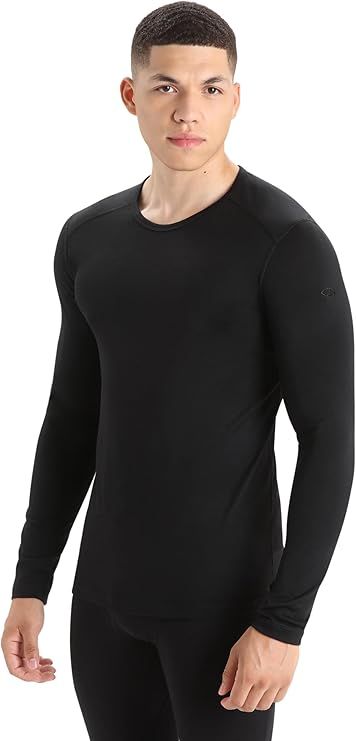
The Tech Lite II is a 150gsm (grams per square metre) merino blend, designed as an everyday T-shirt or light activity shirt. It is lighter and cooler than heavier merino, suitable for summer or moderate-temperature activity. The Oasis 200 is a 200gsm long-sleeve baselayer - thicker, warmer, worn as the first layer against skin in cold conditions, under a fleece or softshell. If you are buying one Icebreaker piece for travel: the Tech Lite II. If you are building a layering system for winter hiking or skiing: start with the Oasis 200.
Cost vs total cost
An Icebreaker Tech Lite II costs around €70-80. A comparable synthetic T-shirt costs €20-30. Over three years of regular use, the merino shirt will likely still be performing well; synthetic shirts in the same price range often pill and lose shape in 18 months. The higher initial cost is real but the total cost over time is closer than it appears. The Icebreaker also sources from New Zealand farms with certified animal welfare standards - a consideration for some buyers.