Leather is one of the few materials that gets better with age - but only if you take care of it. This guide covers everything you need to keep leather goods in excellent condition for decades: how to clean it, how to condition it, and what to do when things go wrong.
Why leather care matters
Leather is a natural material. It dries out, cracks, and loses suppleness if neglected. Well-maintained leather, on the other hand, develops a patina - a rich, deepened colour and texture that only comes from years of use and care.
- Conditioning prevents cracking and extends the life of the leather dramatically
- Regular cleaning removes dirt and salt that break down the fibres over time
- The right products protect against water without blocking the leather's natural breathability
- A well-maintained leather item improves in appearance over decades - neglected leather deteriorates
The three products you need
You do not need a complex routine or expensive specialist products. Three items cover most leather care needs:
- Saddle soap or leather cleaner - for removing dirt and surface grime
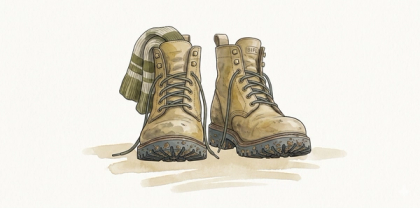
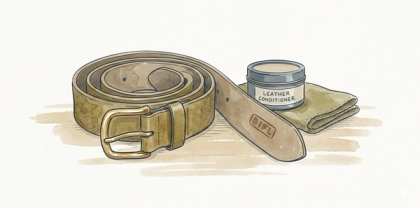
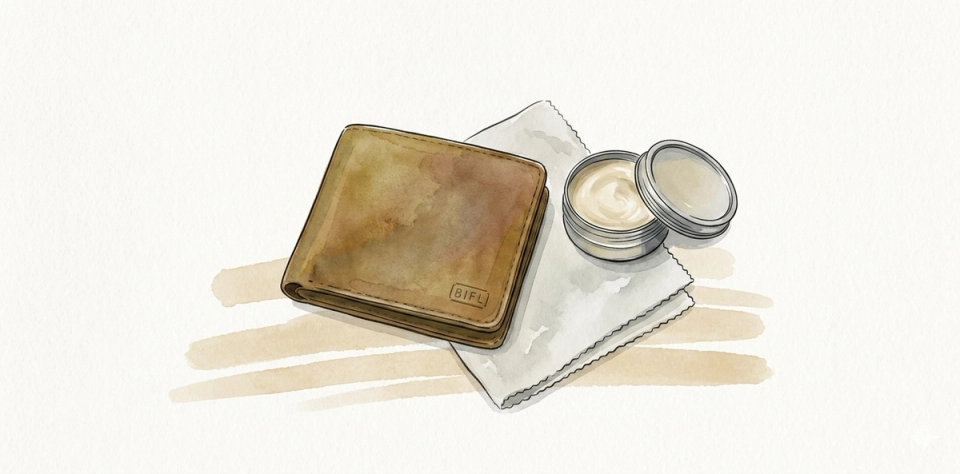
- Leather conditioner or balm - restores moisture and suppleness (Leather Honey, Chamberlain's, or plain neatsfoot oil)
- Waterproofing wax or spray - for items that get wet (boots, bags, jackets)
Buy quality products once and use them sparingly. A small tin of conditioner lasts years.
Cleaning leather
Leather should be cleaned before conditioning. Conditioning dirty leather traps grime in the fibres.
For smooth leather (wallets, bags, shoes)
- Remove loose dirt with a dry brush or soft cloth
- Apply a small amount of saddle soap or leather cleaner to a damp cloth
- Work in gentle circular motions - do not scrub
- Wipe off with a clean damp cloth
- Allow to dry completely before conditioning - never condition wet leather
For suede and nubuck
Never use water or saddle soap on suede or nubuck - it changes the texture permanently. Use a suede brush and a specialist suede cleaner only. A suede eraser removes scuffs and surface marks.
Conditioning leather
Conditioning is the most important step in leather care. It restores the natural oils that dry out over time, keeping the leather supple and preventing cracks.
How often to condition
- Boots and shoes used regularly - every 2–3 months
- Bags and belts - every 3–6 months, or when the leather looks dry
- Wallets - every 6 months or when the leather feels stiff
- Jackets - once a year, before winter storage
How to condition
- Make sure the leather is clean and dry
- Apply a small amount of conditioner with a soft cloth or your fingers
- Work it in with circular motions, covering the entire surface
- Less is more - too much conditioner can darken leather or make it sticky
- Allow to absorb for at least 30 minutes, then buff with a clean cloth
Waterproofing
Waterproofing is essential for boots, bags, and any leather that gets exposed to rain. Without protection, water stains leather and breaks down the fibres over time.
- Beeswax products (Sno-Seal, Obenauf's) - best for boots, very durable, slightly darkens leather
- Silicone-based sprays - good for bags and jackets, lighter finish
- Dubbin - traditional wax compound, excellent for rugged outdoor leather
Apply waterproofing after conditioning, not before. Conditioned leather absorbs the waterproofing more evenly.
Storing leather
How you store leather between uses matters as much as how you clean it.
- Store in a cool, dry place away from direct sunlight - UV light fades and dries leather
- Never store in plastic bags - leather needs to breathe
- Stuff bags and shoes with tissue paper to hold their shape during storage
- For long-term storage (months), condition first, then wrap in cotton or linen
Repairing damaged leather
Most leather damage is repairable. Small scratches can be buffed out with conditioner. Deeper cuts can be filled with leather filler and re-dyed. Discolouration can often be corrected with a leather dye that matches the original colour.
For serious repairs - significant tears, broken stitching on structured bags, or major colour loss - a leather repair specialist is worth finding. The cost is almost always less than replacement.