What it actually is
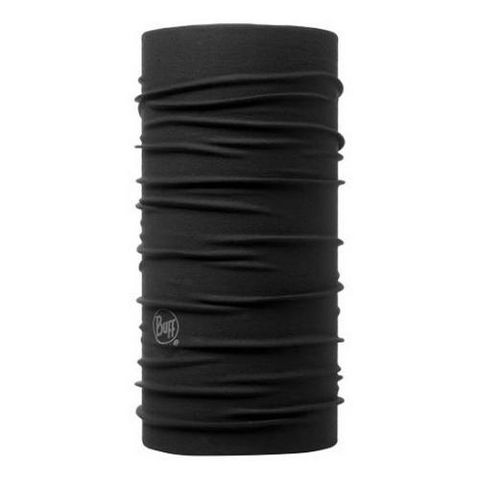
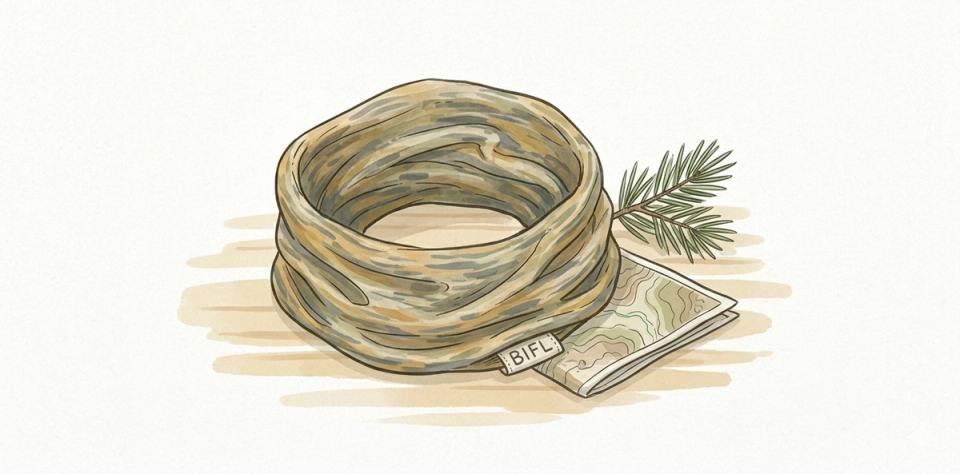
A Buff is a seamless tube of fabric, approximately 25cm in diameter and 50cm long. That is the entire product. What makes it useful is that this simple shape can be worn in a dozen configurations: pulled up over the nose and mouth as a face cover, folded and worn as a beanie, pulled down as a neck warmer, worn as a headband or bandana, or used as a wrist cover. Hikers and skiers figured this out first, but the concept has spread to cycling, running, and everyday cold-weather use.
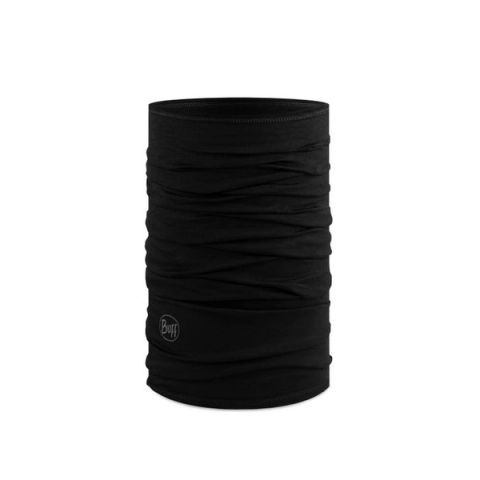
Original vs Merino Wool
The Original Buff is polyester. It is lightweight (around 45g), quick-drying, and good for high-output activities where you are sweating - it wicks moisture away from the skin quickly. The Merino Wool Buff is heavier and warmer, regulates temperature more effectively in changing conditions, and has the natural odour resistance that merino provides. For running or cycling in cold weather: Original. For winter hiking or skiing where you are moving slowly and need sustained warmth: Merino. Both are machine washable and last for years.
Hat plus scarf, replaced
The most common revelation for new Buff users: you stop bringing a separate hat and scarf on trips. A Buff worn as a beanie covers the ears and back of the neck, which is all you need in most conditions below 10°C. Pulled up as a face cover, it handles very cold or windy conditions. This works because the Buff is so thin and light (45-60g depending on model) that it takes up essentially no space. It compresses to the size of a tennis ball and can be stuffed into a jacket pocket.
Longevity
A Buff is a tube of fabric with no seams, zips, buttons, or closures to fail. There is nothing to break. The main wear mechanism is pilling, which starts after 50-100 washes with polyester, or later with merino. A fabric shaver extends the life of a pilling Buff, but most people simply use it until it is worn through, which takes years of regular use. At €20-25, the cost-per-use is extremely low.