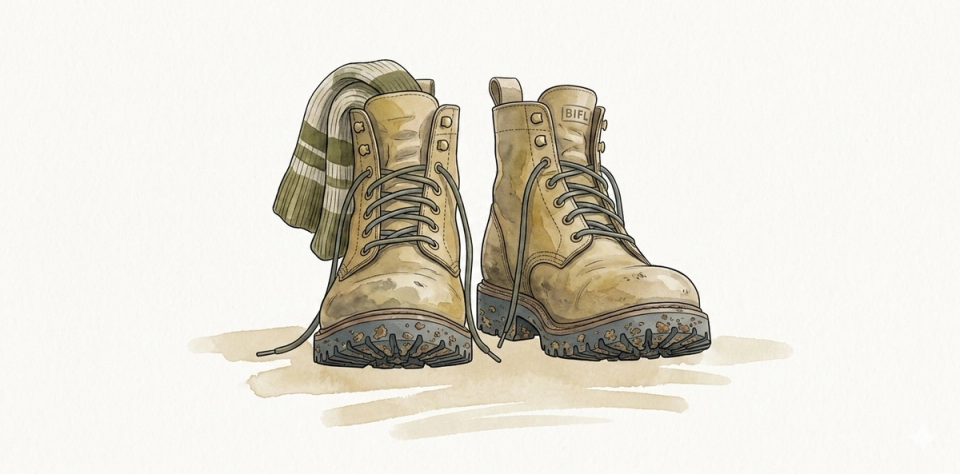
The real cost of cheap boots
A €60 pair of winter boots from a fast-fashion retailer lasts one to three seasons. That sounds like a deal until you do the arithmetic. Replace them every two years for twenty years and you have spent €600, and sent ten pairs to landfill. A €320 Goodyear-welted boot, resoled twice over the same period, costs roughly €500 total and is still getting better with age at the end of it.
The math works. But only if you buy the right boot from the start.
Goodyear welt vs cemented sole: the deciding factor
The construction method determines whether a boot is repairable or disposable. A Goodyear-welted boot has its upper, insole, and outsole stitched together through a strip of leather called the welt. A cobbler can cut the stitching, replace the outsole, and re-stitch, indefinitely. A cemented boot is glued. When the glue fails or the sole wears through, the boot is finished.
Look for "Goodyear welt" explicitly in the product description. Norwegian welt and hand-welted construction are also resoleable. "Cement construction," "direct-attach," or no welt information at all means the boot is disposable by design.
Leather: oil-tanned vs chrome-tanned
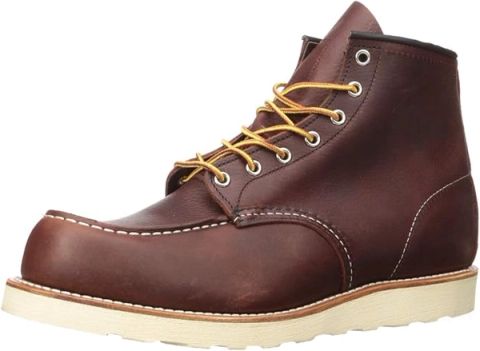
Oil-tanned leather (used on boots like the Red Wing 875) is saturated with oils during the tanning process. It resists water naturally, develops a patina with use, and responds well to conditioning. Chrome-tanned leather is more common and less expensive. It is fine for dress shoes but tends to crack faster under the stress of outdoor use and heavy conditioning cycles.
For winter boots that will see salt, snow, and repeated drying, oil-tanned or full-grain leather is worth the premium. Split-grain or corrected-grain leather looks similar on the shelf but has a thinner, weaker surface layer that delaminates over time.
Our picks
Red Wing Heritage 875 Moc Toe: Best all-rounder
Made in Red Wing, Minnesota since 1952. The 875 uses Amber Harness leather: oil-tanned and thick enough to shed water straight from the box. Goodyear welt, replaceable insole, resoleable outsole. At €320 it is not cheap, but Red Wing's factory outlet service can resole a pair for around €140, and the boots regularly last 15–25 years.
Danner Mountain Light: Best for serious winter conditions
Danner has been making welted boots in Portland, Oregon since 1932. The Mountain Light (€350) adds a Gore-Tex liner to the Goodyear welt formula, adding full waterproofing without sacrificing resolability. Danner's own repair programme will resole them directly.
Wolverine 1000 Mile: Best heritage design
Named after Wolverine's original guarantee that their boots would last 1,000 miles of hard work. This €320 boot is Goodyear welted with a slim silhouette that crosses the line between workwear and everyday wear. Full-grain leather throughout: upper, lining, insole. Resoleable by any competent cobbler.
Maintenance: what actually makes the difference
Cedar boot trees belong in any boot you want to last. They absorb moisture after wear, hold the shape of the upper, and prevent the leather from developing deep creases that eventually crack. Insert them within minutes of taking the boots off.
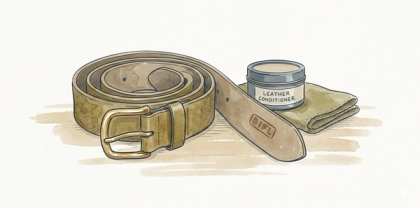
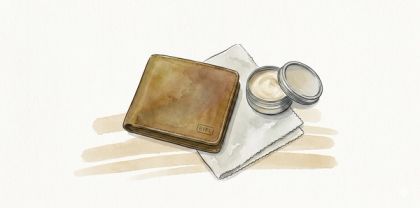
Condition the leather every few months with a product appropriate for the leather type. Mink oil and neatsfoot oil work well on oil-tanned leather. After winter exposure to road salt, clean the boots with a damp cloth before conditioning; salt crystals left in the leather slowly destroy it from the inside.